HOME / STUDIES / Classical Dance

Classical Dance

Six years of academic ballet training: the technical and artistic foundation on which all stage dance is built.
A discipline, a legacy

The pursuit of beauty through movement.

Classical dance is, at its heart, the pursuit of beauty through movement. It is not just technique: it is a universal language that transforms the body into poetry and effort into grace.
An architecture in motion: the precision of a perfect line, balance suspended in time. Every gesture is measured, every step has meaning, every silence forms part of a music that can also be seen. From the softness of a plié to the elevation of a jump, classical dance creates a world where discipline and sensitivity meet.

It is the harmony between strength and control, between discipline and emotion: a language of elegance and precision that has transcended time.

Trailer

Classical Dance in Motion.

A visual journey through the precision, elegance and expressive purity of Classical Dance at the C.P.D. Fortea Professional Dance Conservatory.
C.P.D. Fortea
Classical Dance Trailer

Classical Dance Trailer · C.P.D. Fortea

Official and Regulated Training

Why Study Dance at a Conservatory?

Studying dance at a conservatory provides official training delivered by qualified teaching staff. Students not only learn technique, but also receive a complete and comprehensive artistic education combining practical and theoretical subjects.

01
Progressive and structured training
02
Specialist Teaching Staff
03
Individualised Support
04
Participation in Stage Performances
05
Official qualification upon completion of the studies
Curriculum

Six years. A complete education.

6
Years of Study
8
Subjects
01

Classical Dance

Technical ballet vocabulary, body control, precision, memory and musicality. Includes specific pointe work and men’s technique.
02

Repertoire

Interpretation of works from different periods with technical, stylistic and historical rigour: character roles, ensemble pieces and variations.
03

Contemporary Dance

Body awareness, weight, breathing and the connection between movement, space and emotion. Technique, improvisation and choreographic study.
04

Character Dance

Traditional dances from different countries and their adaptation for the stage: specific technique, musicality and stylistic interpretation.
05

Pas de Deux

Partnering technique: coordination, placement, partnering steps, turns, promenades and lifting techniques.
06

Music

Musical language and its relationship with dance. Rhythmic awareness, coordination, artistic sensitivity, and basic vocal and instrumental practice.
07

History of Dance

The evolution of dance within its historical, cultural and artistic context. Styles and movements for an informed interpretation of the repertoire.
08

Anatomy Applied to Dance

Functional understanding of the body in movement. Injury prevention, physical care and improved technical performance.

Weekly Teaching Hours by Year

Subject / Year / Hours 1th 2th 3th 4th 5th 6th
Classical Dance
13 hr
13 hr
15 hr
15 hr
10 hr
10 hr
Character Dance
1 hr
1 hr
—
—
—
—
Contemporary Dance
—
—
2 hrs
3 hrs
4.5 hrs.
4.5 hrs.
Repertoire
—
—
3 hrs
3.5 hrs
6 hrs
6 hrs
Pas de Deux
—
—
—
1 hr
3 hrs
4 hrs
Music
1 hr
1 hr
1 hr
1 hr
1 hr
—
Anatomy Applied to Dance
—
—
1 hr
1 hr
—
—
History of Dance
1 hr
1 hr
—
—
—
—
Gallery

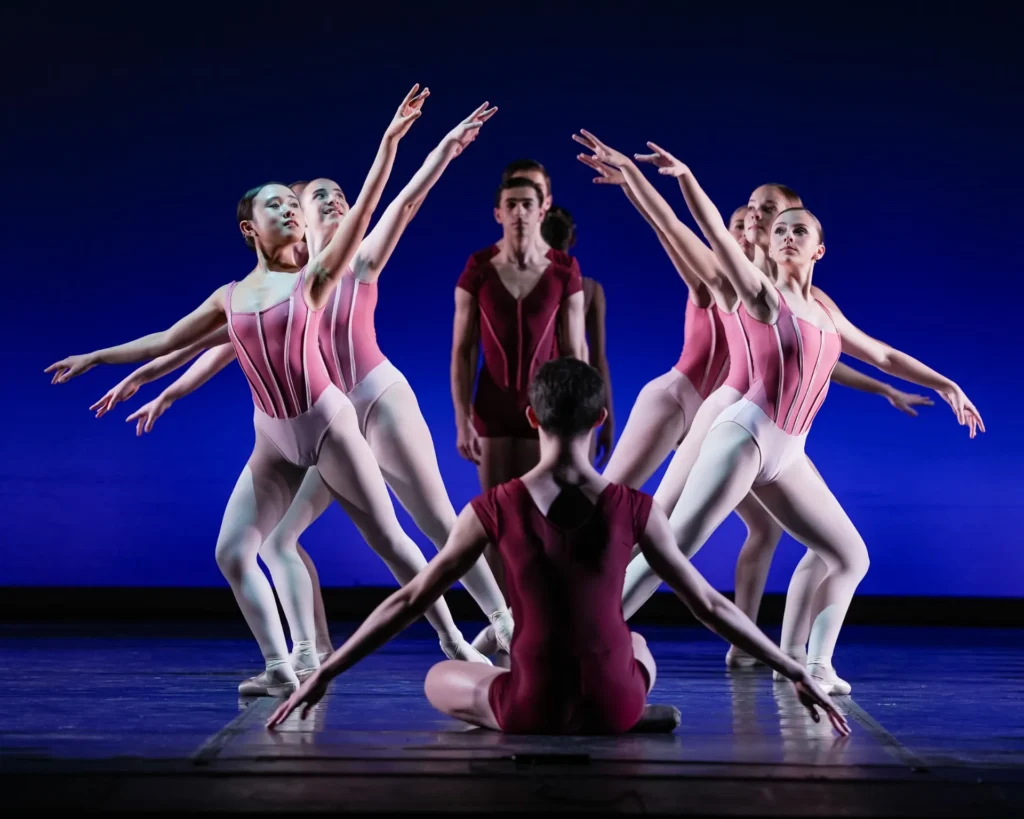
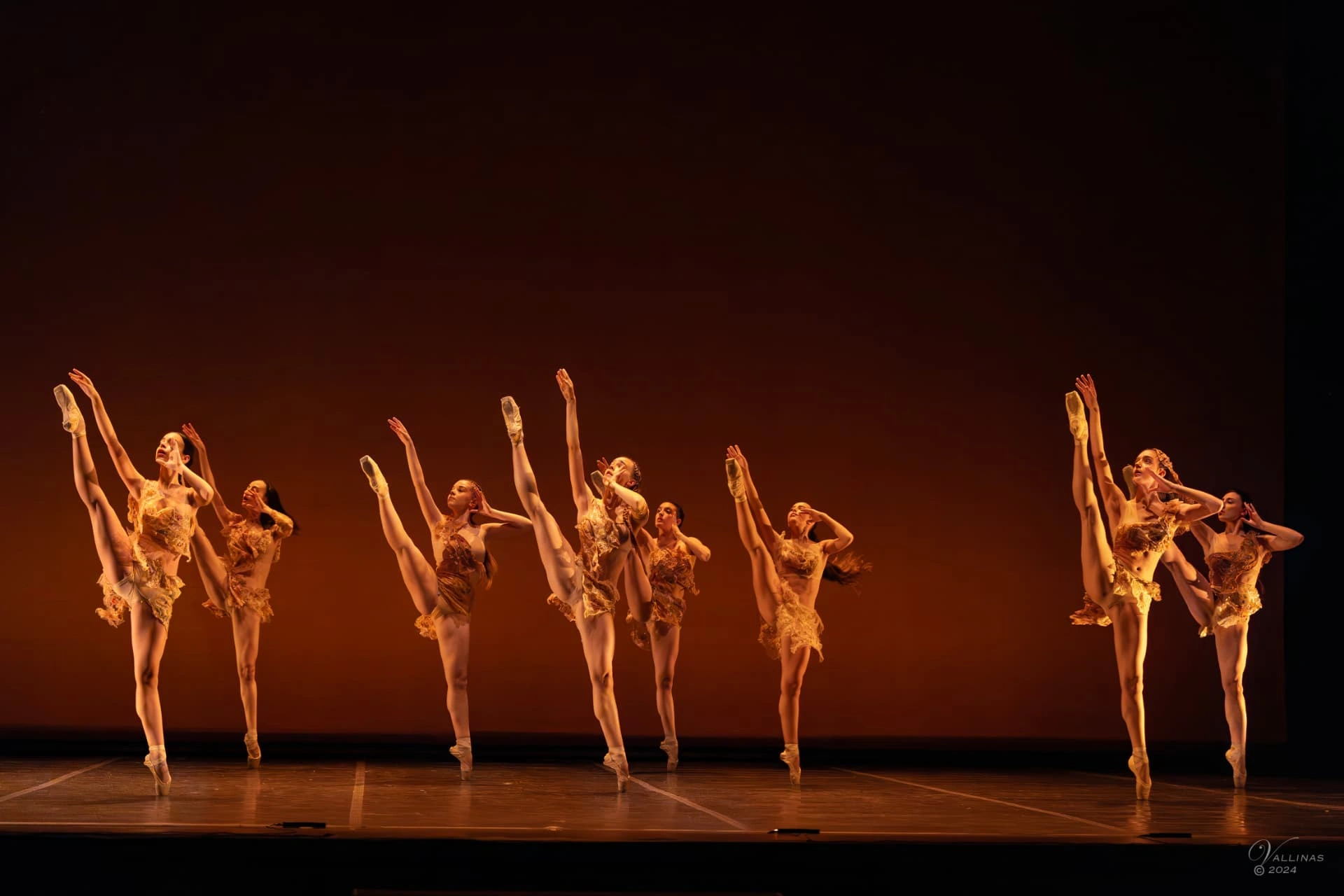
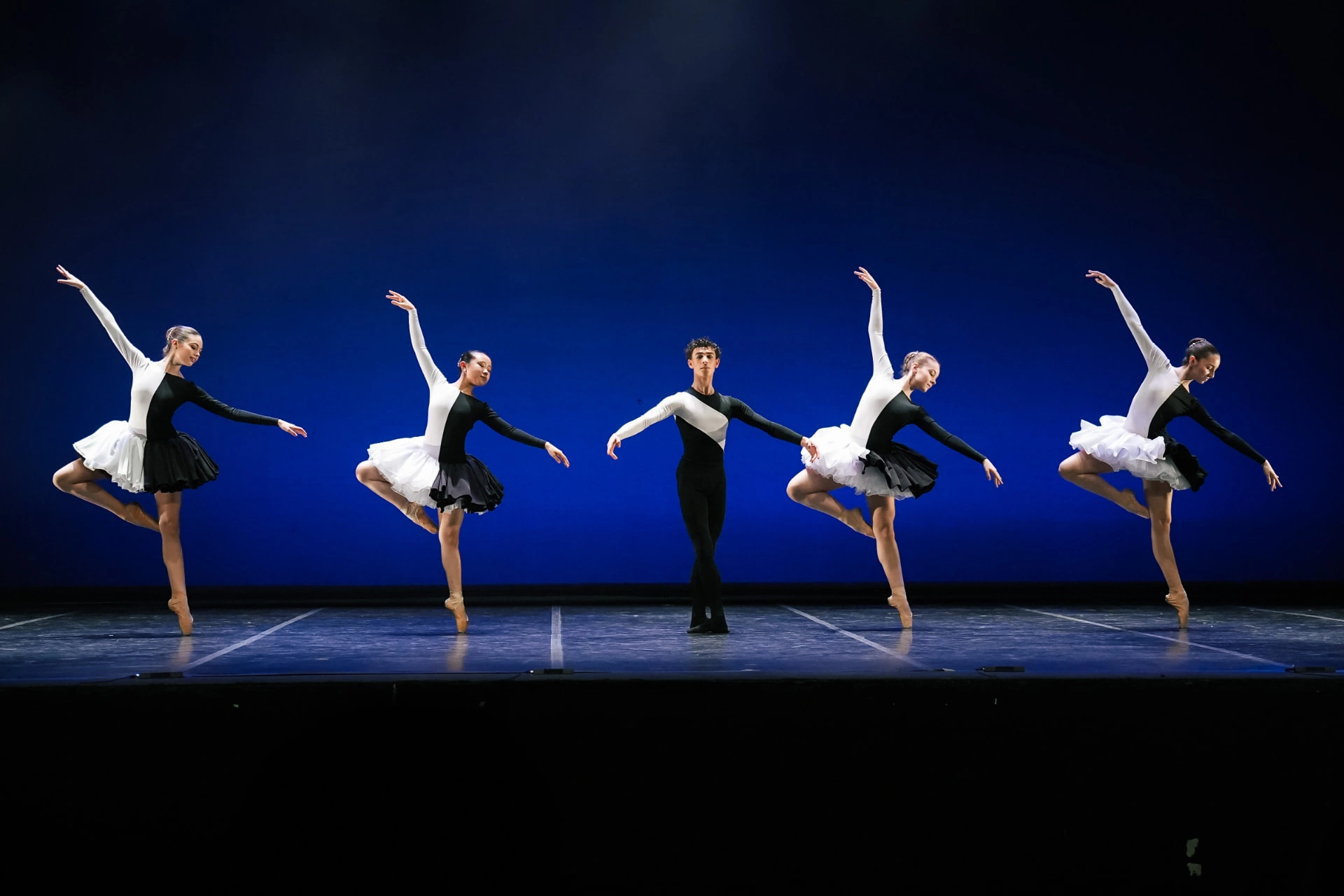
Precision, balance and lightness on stage.

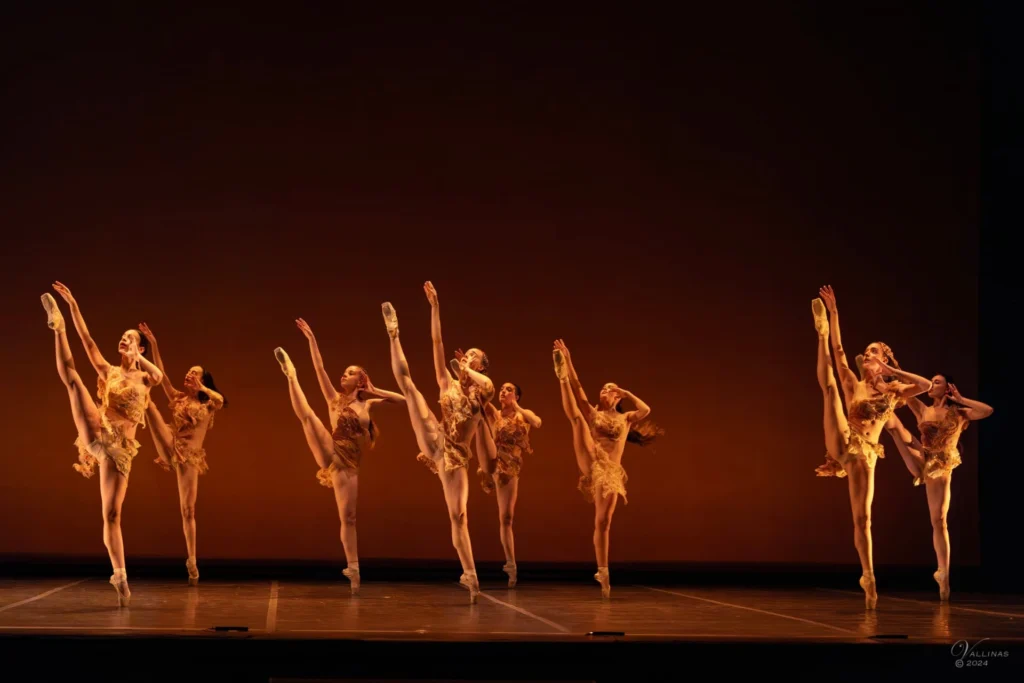
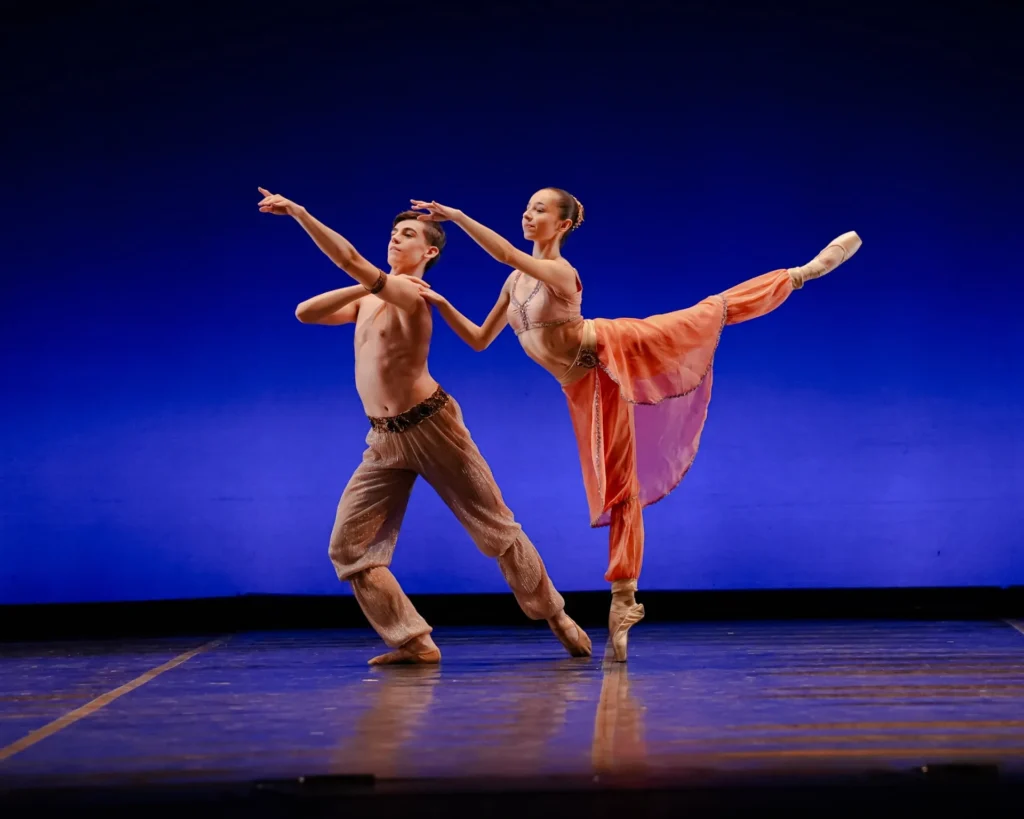
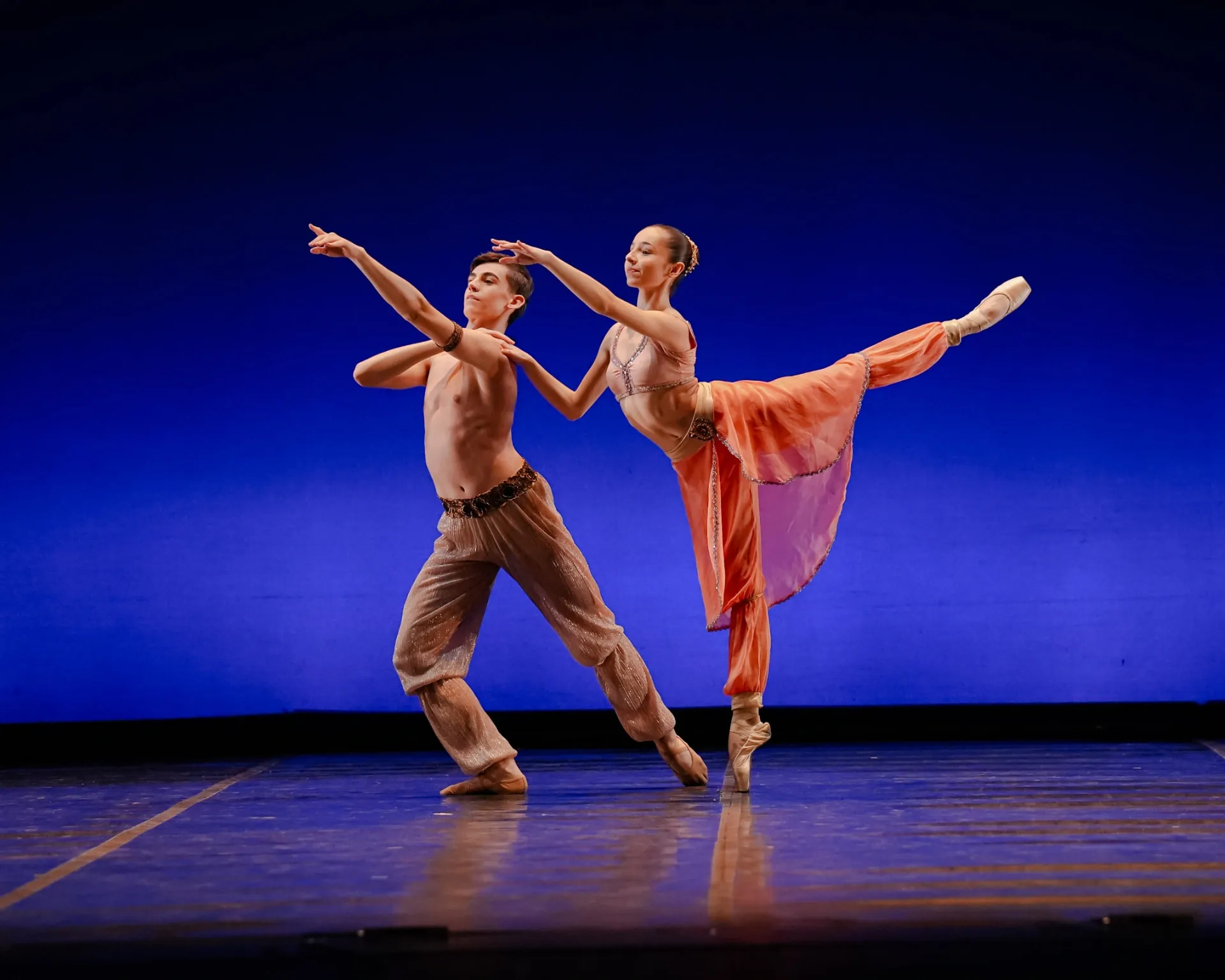
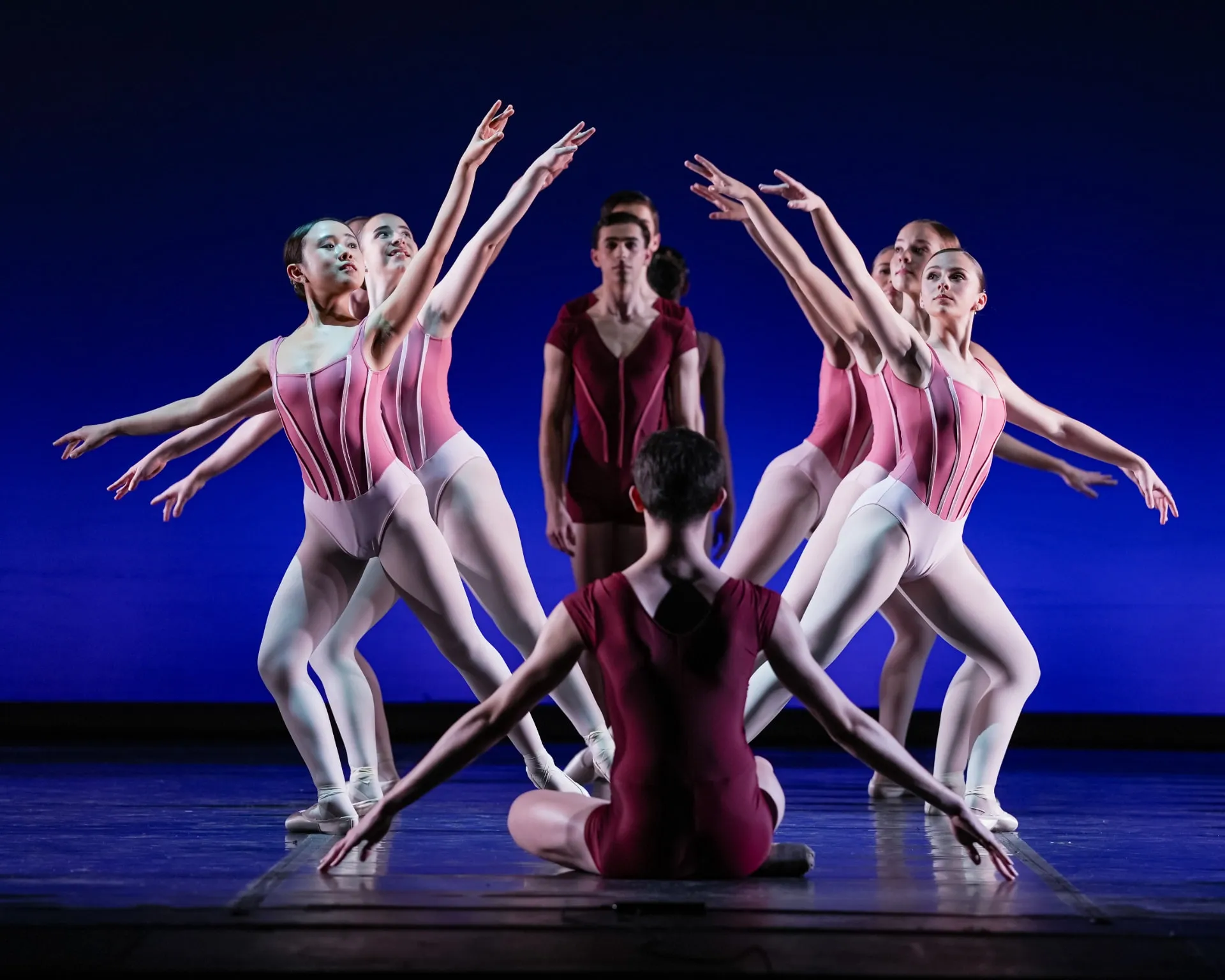
Conjunto en arabesque · Escena
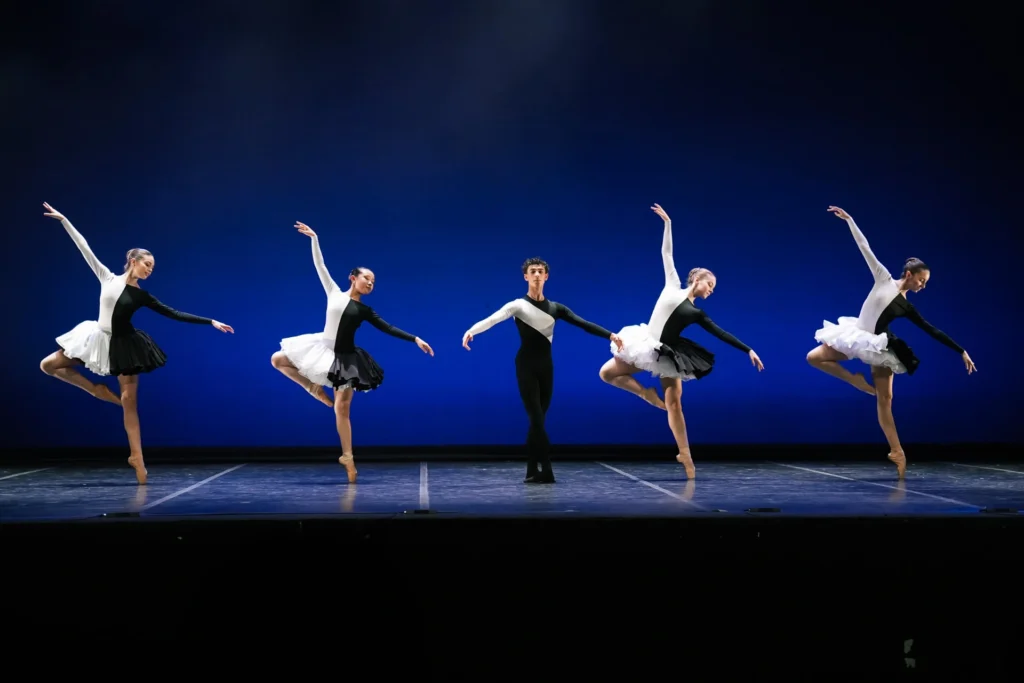
Colores 2025 · Danza clásica
Trío en escena
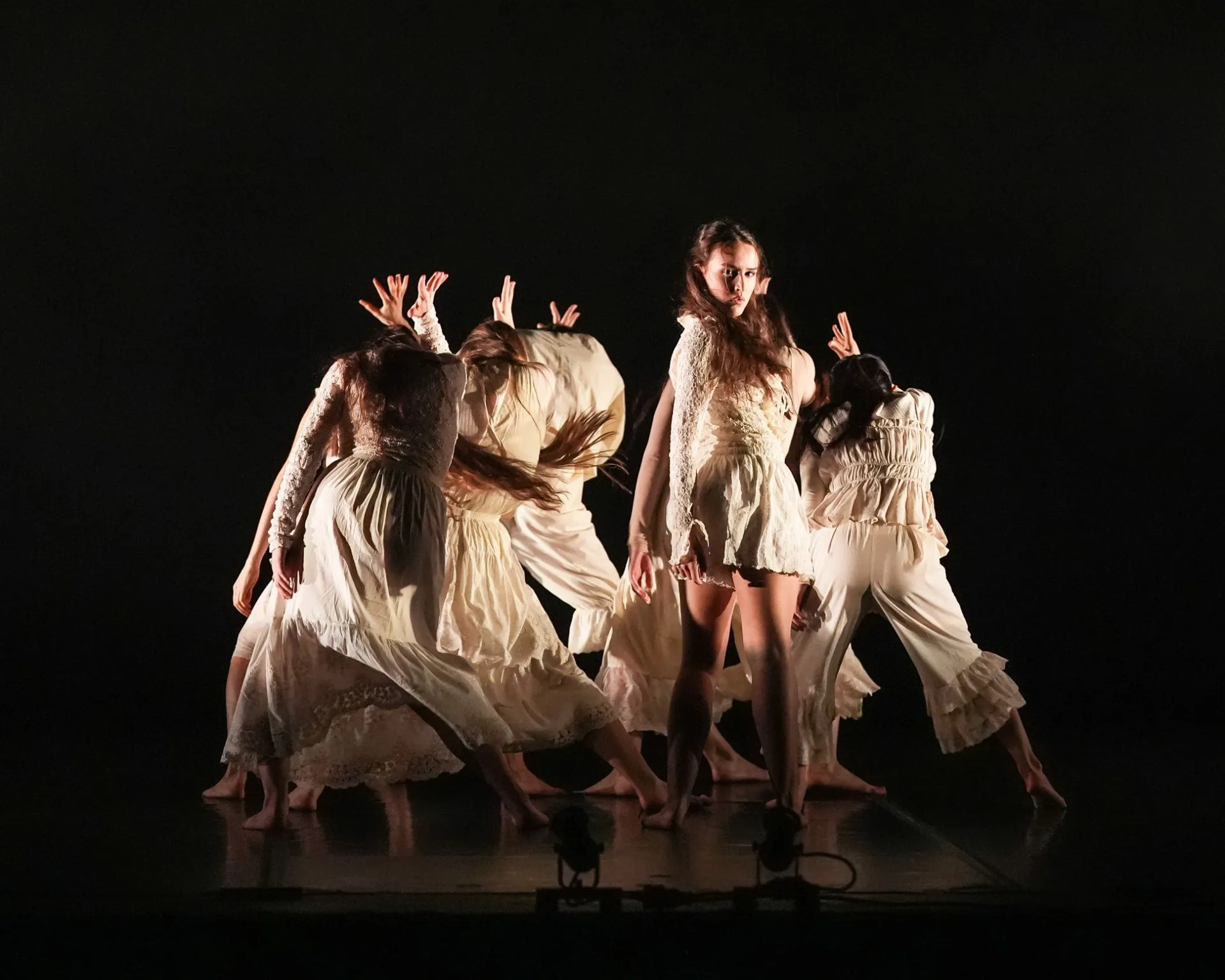
alt="A Fume do Carozo · Función"
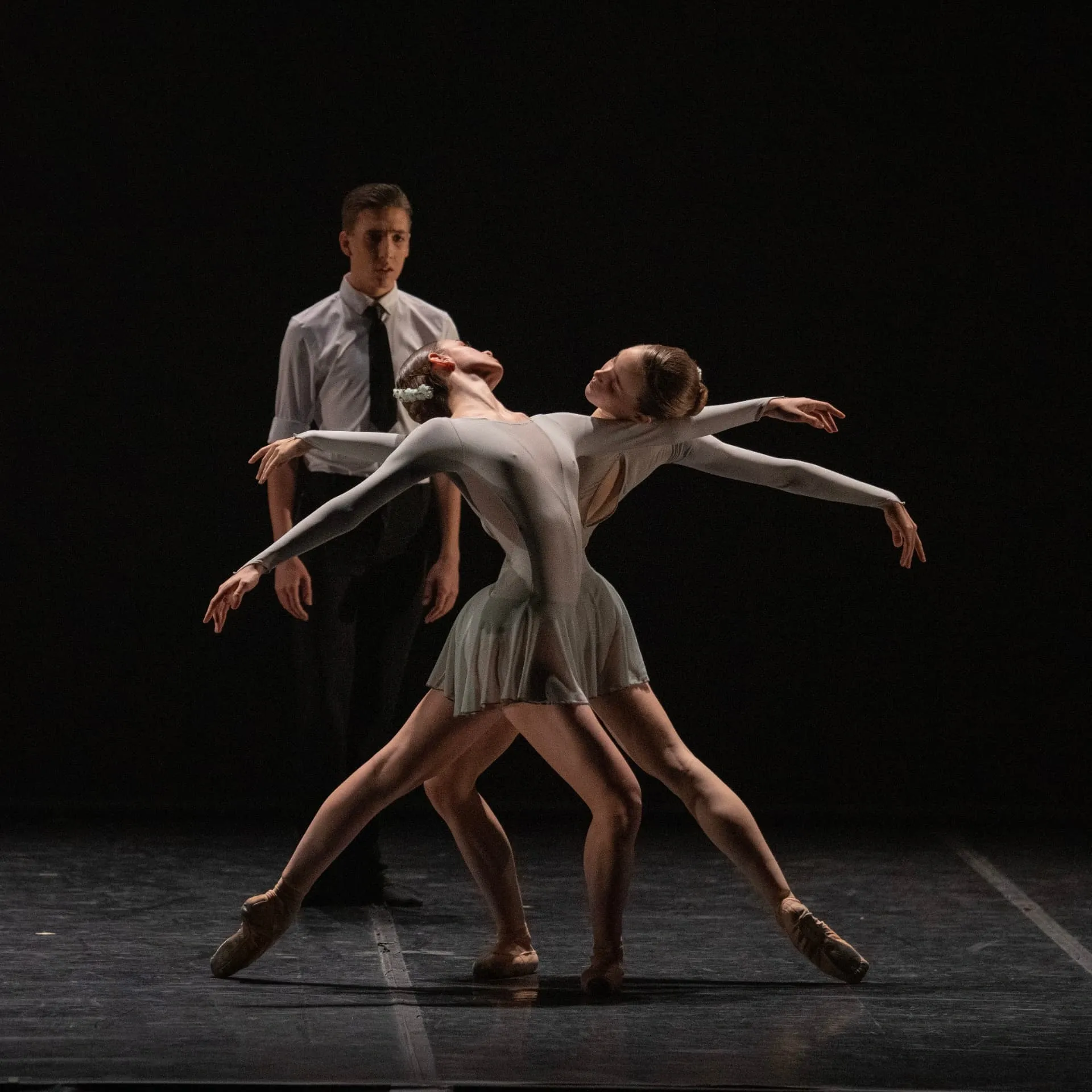
Paso a dos
Conjunto en arabesque · Escena
Colores 2025 · Danza clásica
Trío en escena
alt="A Fume do Carozo · Función"
Paso a dos
Student Development

What Skills Will Your Child Develop?

Throughout the training, students progressively develop different aspects of their physical, artistic and personal growth.

Knowledge and Control of the Body

Strength, Flexibility and Endurance

Balance, Coordination and Precision

Musicality and Sense of Rhythm

Artistic Expression and Performance

Discipline, Perseverance and Good Work Habits

Responsibility and Concentration

Teamwork

The dancer does not simply perform steps: they interpret, communicate and evoke emotion. Every variation, every turn and every balance tells a story without words.

Teaching Methodology

What Are the Classes Like?

In classical dance, as a form of emotional expression, the development of each student’s personality and sensitivity is essential. Training is approached holistically from the outset: every action and area of knowledge forms part of a wider whole, encouraging autonomy and intellectual and artistic independence.
All classes are accompanied by pianist accompanists, fostering both technical musical knowledge and the students’ musical sensitivity.
01

Barre work

Exercises at the barre to develop body alignment, muscular strength, flexibility and coordination.
02

Centre work

Once the technical foundation has been established, students develop balance, travelling movements, turns, jumps and the interpretation of movement in space.
Student Profile

Interest, effort and artistic sensitivity.

It is not necessary to have decided from the outset to pursue dance professionally, but students should show interest, a strong work ethic and a willingness to learn.

Interest in and Motivation for Dance

Consistency and commitment to learning

Suitable physical condition

Artistic and Musical Sensitivity

Entrance Examination

What Does the Entrance Examination Assess?

The entrance examination assesses whether students have the physical, technical and artistic aptitude required to successfully undertake these studies. It evaluates not only technical level, but also the applicant’s potential.
Entry to Year 1

Year 1 Entrance Examination

Entry is usually around the age of 12, following Elementary Dance Studies or equivalent private training. Official admission notices are published each academic year.
Entry to Other Years

Entrance Examination for Entry to Other Years

Applicants must demonstrate mastery of the technical, artistic and theoretical content of the levels below the year they wish to enter.

At What Age Do Students Start?

Entry to Year 1 is usually around the age of 12, after completing Elementary Dance Studies or equivalent private training.

Compatibility with ESO and Bachillerato studies

Training is organised during the day, in the morning, allowing students to attend secondary school in the afternoon. IES Cervantes, which offers afternoon classes, makes it easier to combine both programmes.

Social spaces

Indoor dining area and outdoor space for relaxing between classes. We encourage a sense of community and strong connections among students.

A school for life: it teaches students to overcome their limits, to find beauty in effort, and to transform daily discipline into art.

Training and Career Opportunities

A solid foundation for a life in dance.

Classical Dance is the core discipline that supports the learning and practice of other styles, enabling students to develop a broad and versatile education.

Artistic Career

Access to Higher Dance Education

Joining professional dance companies

Career as a performer and/or choreographer

Teaching and Cultural Management

Other Related Fields

Physiotherapy and Rehabilitation

Sports Medicine and Performing Arts

Stage Costume and Design

Lighting and Stage Technology

Photography and Audiovisual Production for the Performing Arts

Join C.P.D. Fortea

Would you like to be part of the next Classical Dance intake?

This site is registered on wpml.org as a development site. Switch to a production site key to remove this banner.