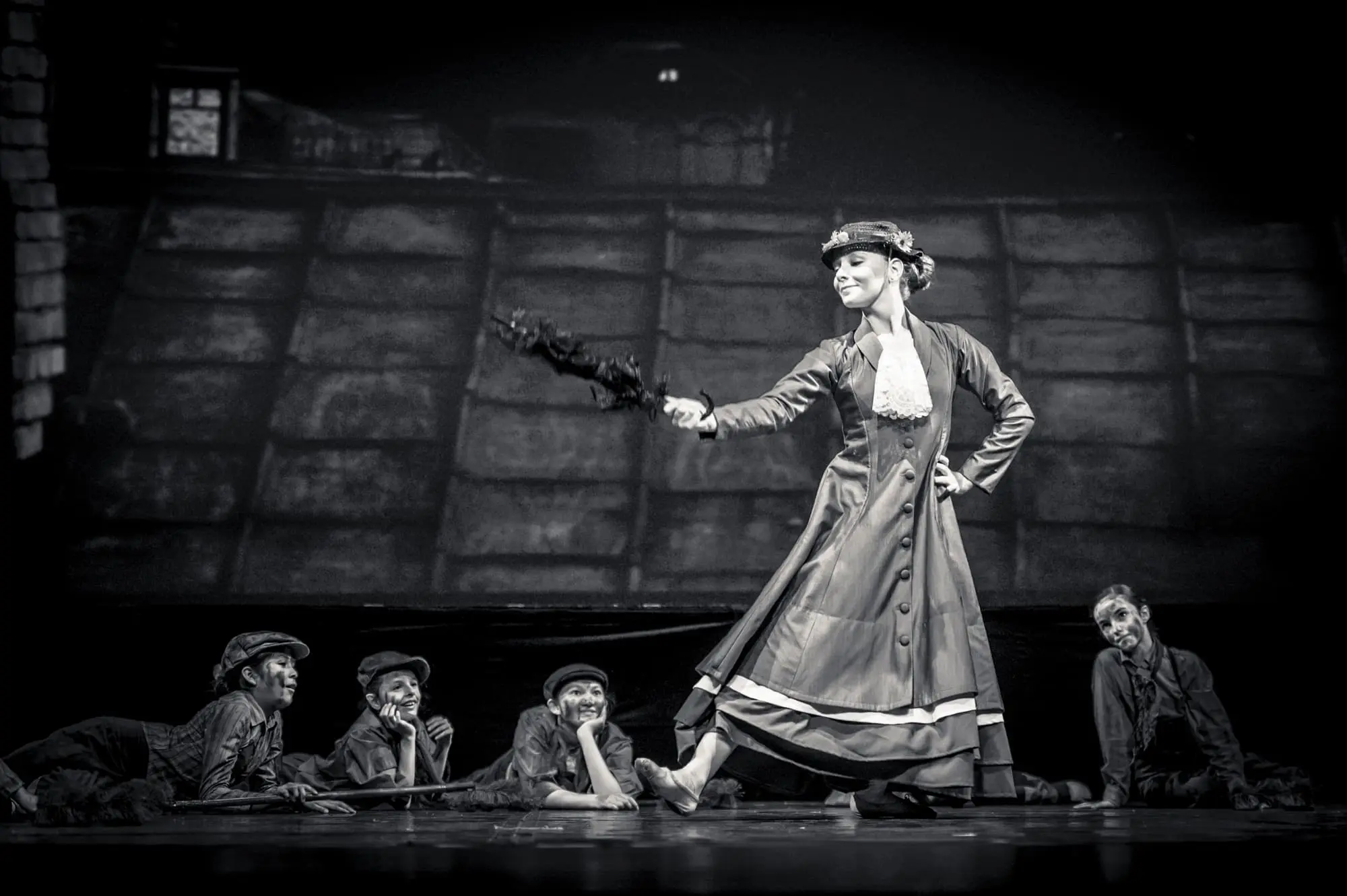
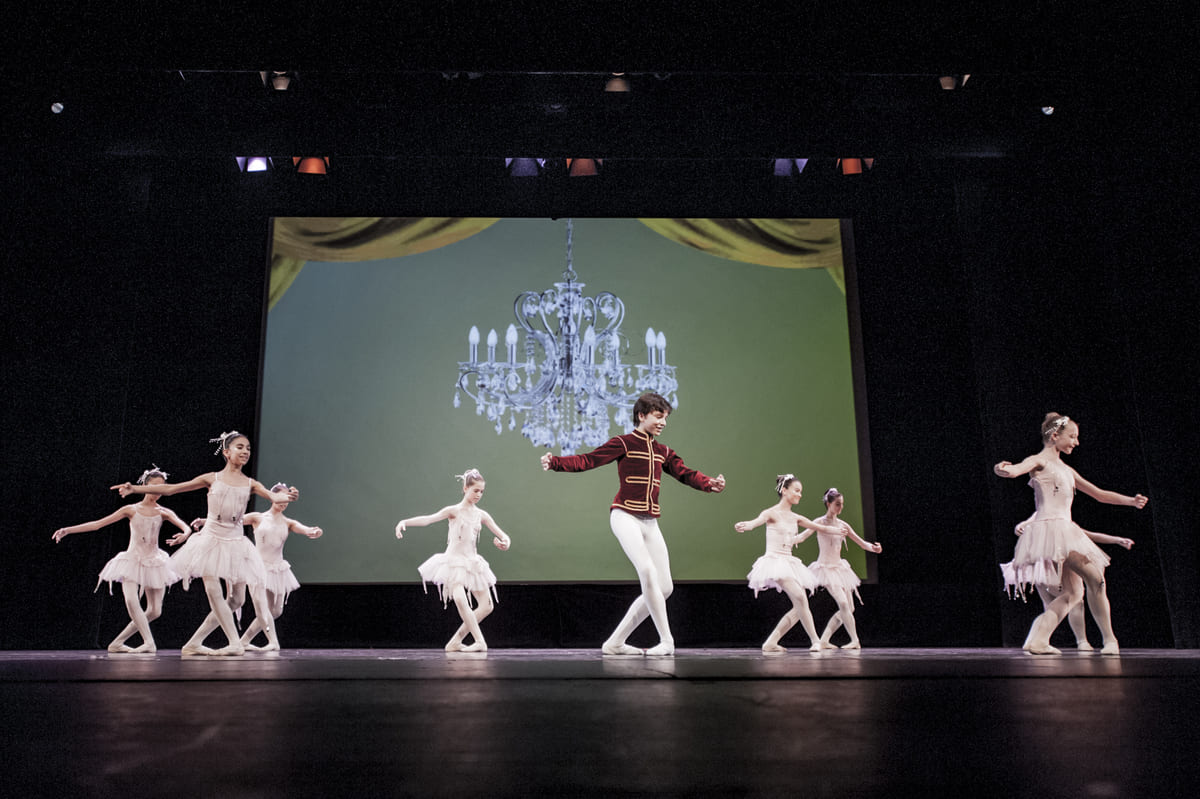
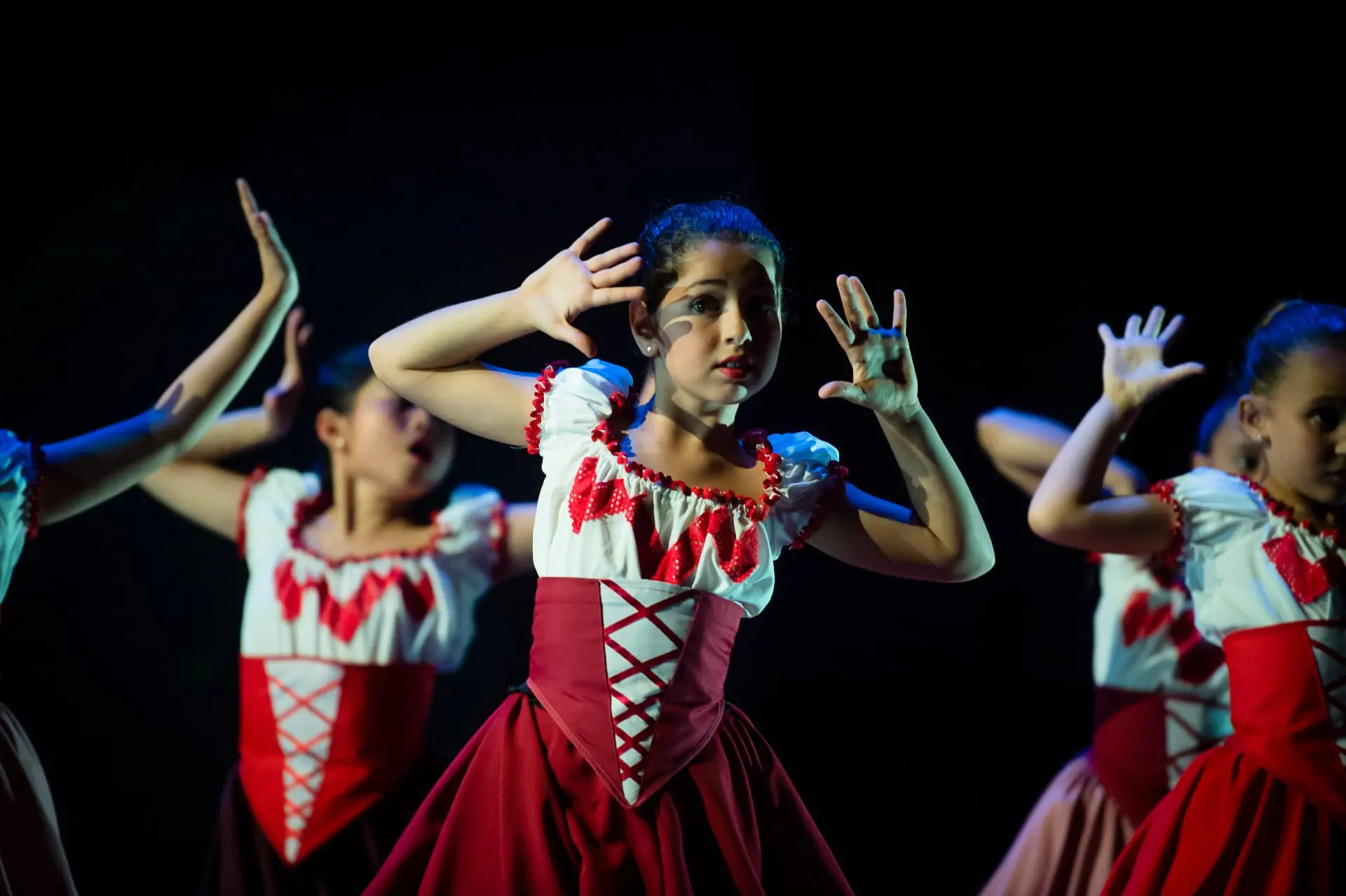
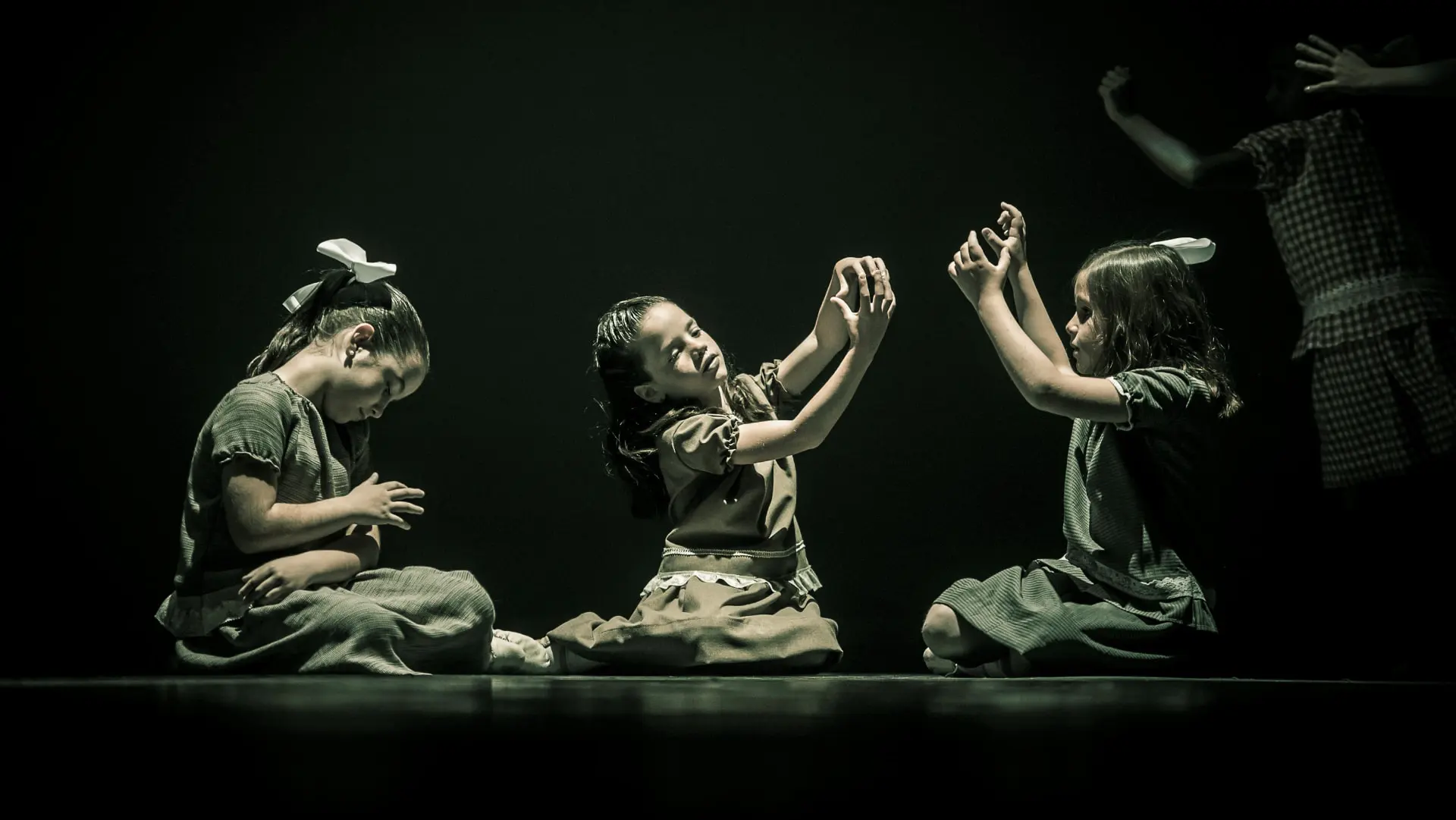
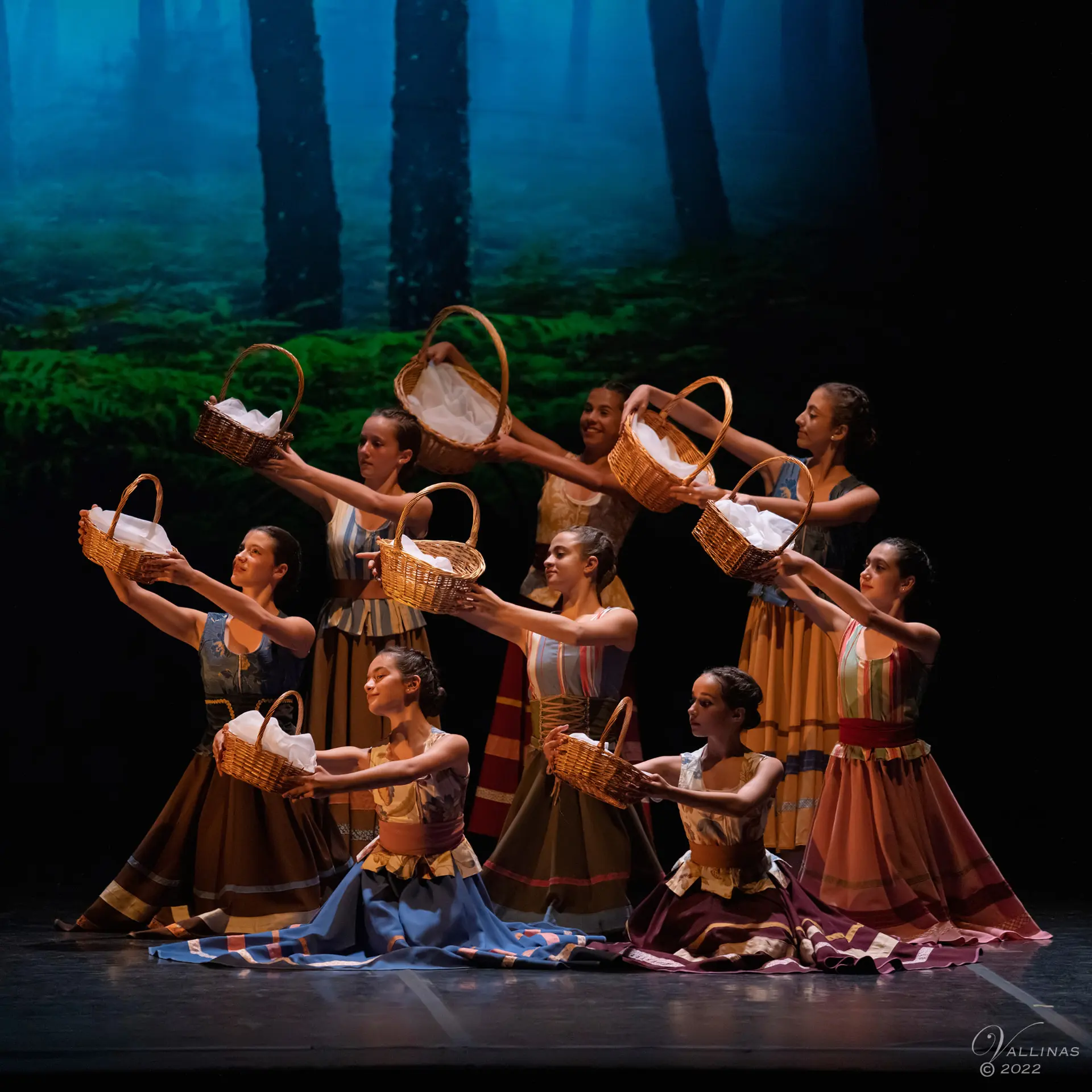
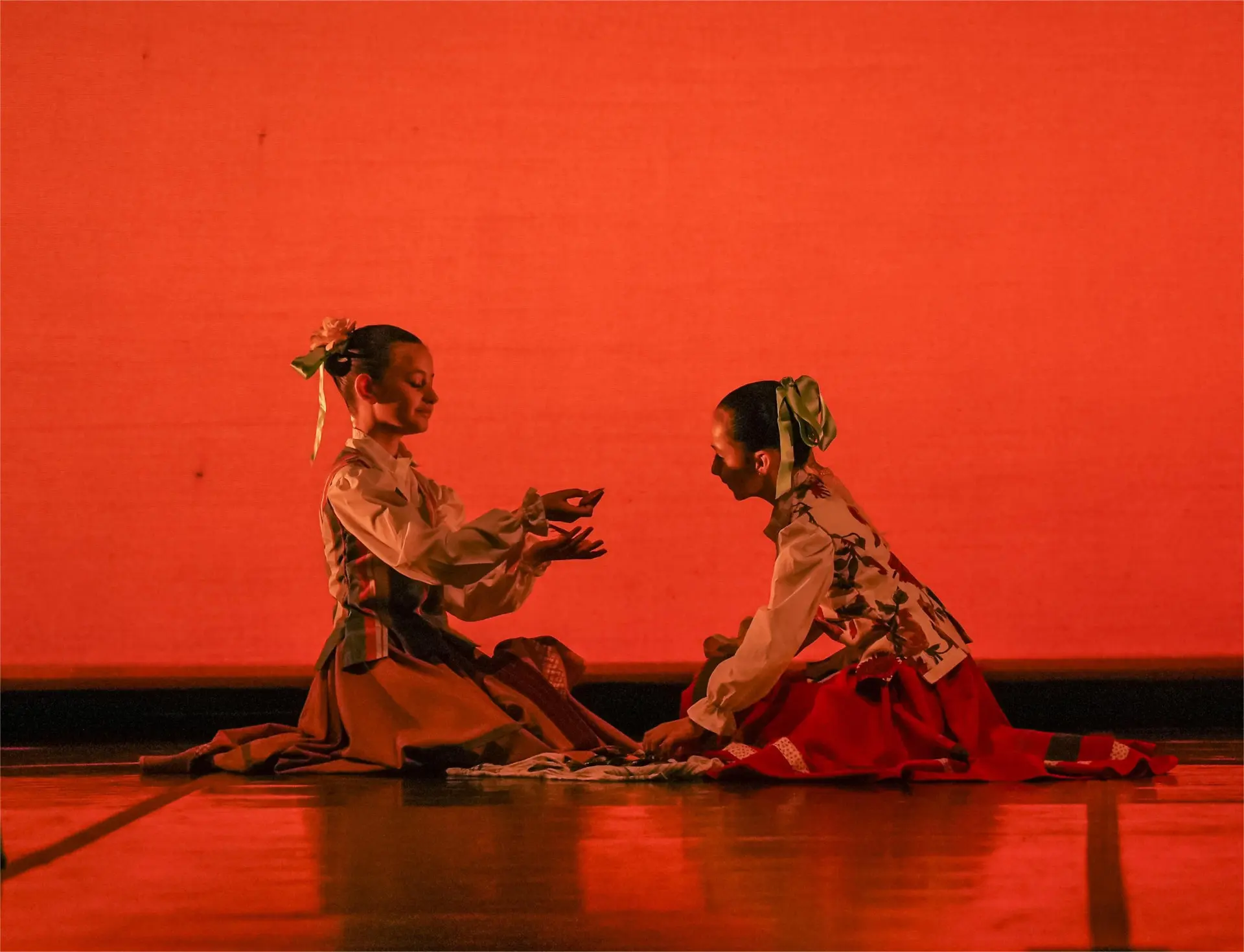
Four years to discover dance from its foundations: body, music and expression, at the age when it all begins.
The First Steps
Where it all begins: body, music and expression.
Regulated Initial Training · 4 Years
Elementary Dance Studies prioritise an understanding of dance and movement, as well as basic knowledge of musical language and the practice of dance both in groups and individually. This training develops artistic expression and provides a strong foundation for progression to Professional Dance Studies.
The teaching staff support and guide the learning process, fostering autonomy, artistic sensitivity and students’ personal development. Learning is structured progressively and tailored to each student’s individual characteristics, with the aim of developing both their technical and artistic abilities.
Technique is understood as an inseparable part of artistic expression, integrated into movement and serving interpretation. Assessment is continuous and individualised, evaluating progress and guiding teaching practice while encouraging reflection and students’ active participation in their own learning.
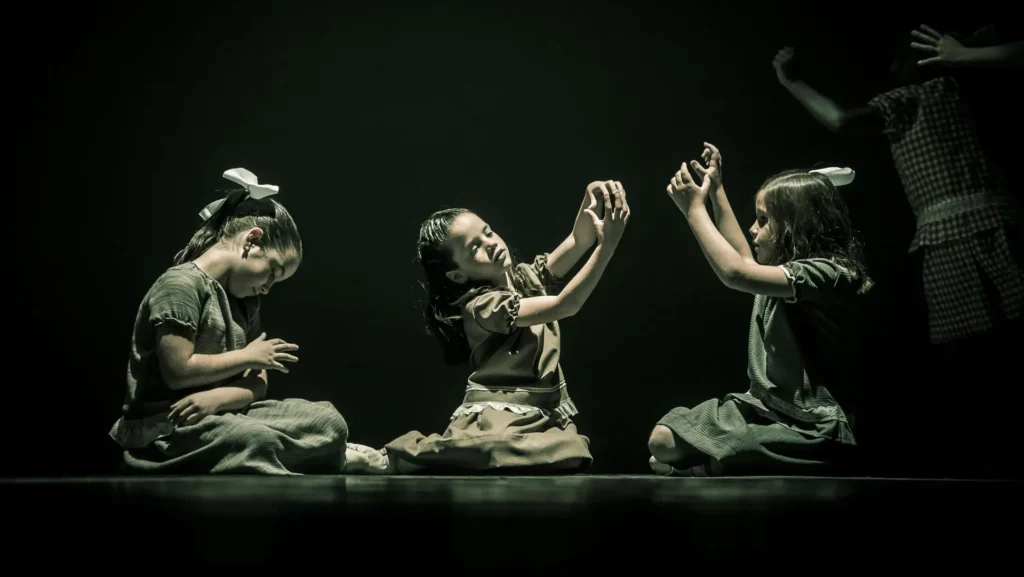
Before technique comes wonder: the first time the body discovers that it can speak, fall silent and sing all at once.
Trailer
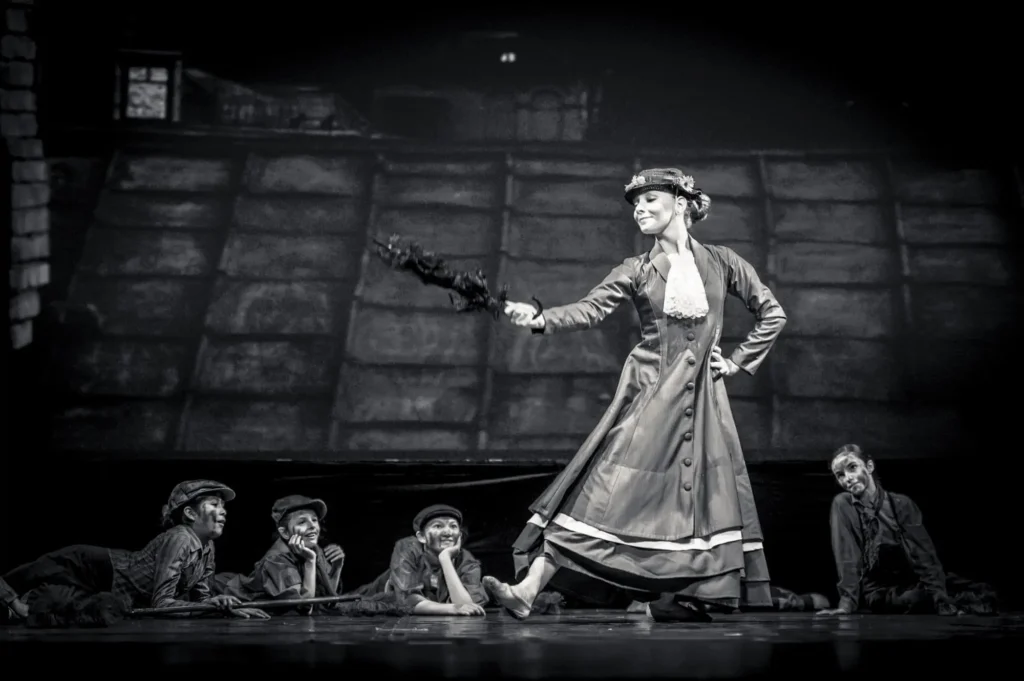
The First Steps on Stage.
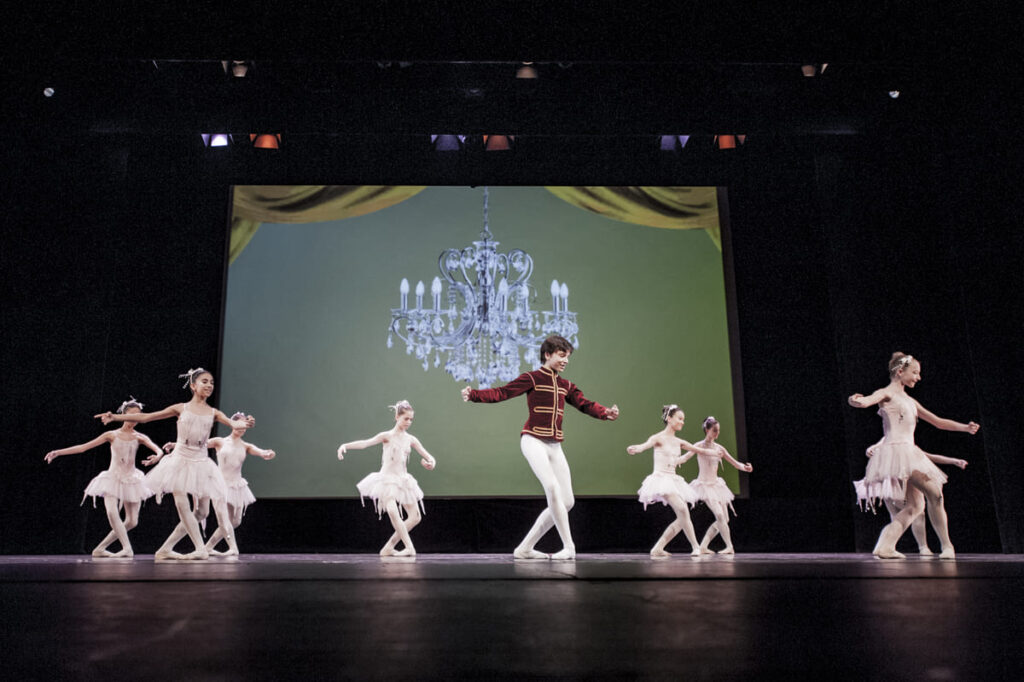
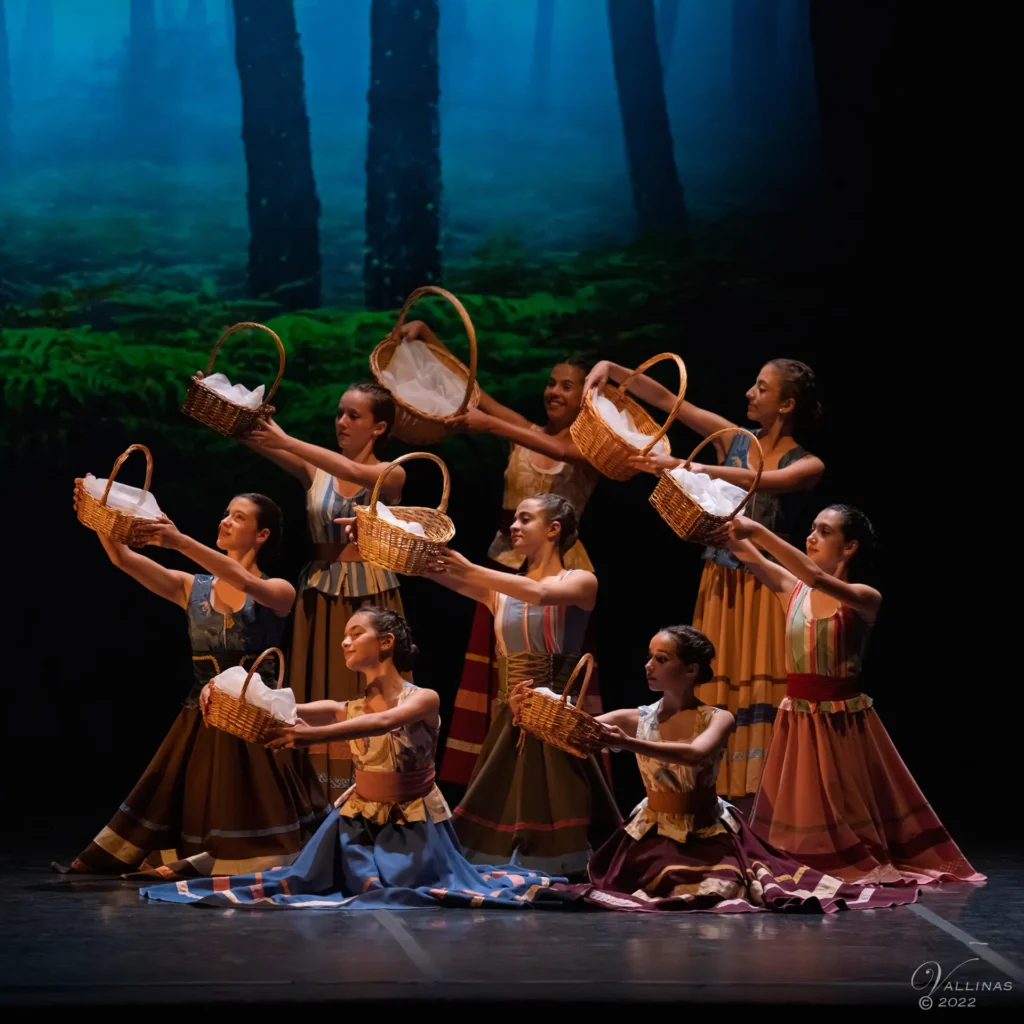
A visual journey through the initial training of Elementary Dance Studies students at C.P.D. Fortea Professional Dance Conservatory.
C.P.D. Fortea
Elementary Dance Studies Trailer
Elementary Dance Studies Trailer · C.P.D. Fortea
Official and Regulated Training
Why Study Dance at a Conservatory?
Studying dance at a conservatory provides official training delivered by qualified teaching staff. Students not only learn technique, but also receive a complete and comprehensive artistic education combining practical and theoretical subjects.
01
Formación progresiva y estructurada
02
Specialist Teaching Staff
03
Individualised Support
04
Participation in Stage Performances
05
A Solid Foundation for Progression to Professional Dance Studies
Curriculum
Four Years. A Solid Foundation.
4
Years of Study
3
Subjects
01
Classical Dance
Introduction to the fundamentals of the Bolera School, Folklore and Flamenco Dance. It develops coordination, rhythm and body alignment, while fostering musicality and an understanding of the different styles of Spanish dance.
02
Spanish Dance
Introduction to the fundamentals of the Bolera School, Folklore and Flamenco Dance. It develops coordination, rhythm and body alignment, while fostering musicality and an understanding of the different styles of Spanish dance.
03
Music
Understanding musical language through singing, rhythm, listening and group practice. It develops musicality, memory and artistic sensitivity, all of which are essential for improving the quality of movement.
Weekly Teaching Hours by Year
The number of teaching hours increases progressively throughout the years. Students receive practical training as well as music applied to dance, ensuring continuous learning and appropriate technical development.
During their training, students progressively develop different aspects of their physical and artistic growth. Values such as responsibility, concentration and teamwork are also encouraged.
In childhood, every class is a seed. What is nurtured patiently today will blossom into art tomorrow.
Teaching Methodology
What Are the Classes Like?
The dance class is structured around a progressive teaching process, adapted to the students’ age and stage of development. In the early years, the work focuses on developing body awareness, control, strength, proprioception, and an appropriate relationship with space and music.
This progressive approach helps students build a solid technical foundation, while respecting individual learning pace and ensuring the appropriate development of the physical and artistic abilities required to progress to Professional Dance Studies.
01
Body Awareness
The first classes focus on discovering the body: posture, breathing, control, strength and spatial awareness.
02
Technical and Artistic Foundation
Year by year, students build a solid technical foundation, progressing at an appropriate pace and preparing for Professional Dance Studies.
Student Profile
Curiosity, sensitivity and a desire to learn.
Students entering Elementary Dance Studies usually show a particular interest in dance and a clear motivation to develop their artistic training. No previous experience is required: an interest in movement, artistic sensitivity and a willingness to work are enough.
Interest in and Motivation for Dance
Effort, Perseverance and Commitment
Appropriate Aptitude for Dance Training
Artistic and Musical Sensitivity
Entrance Examination
What Does the Entrance Examination Assess?
To gain admission, applicants must pass an entrance examination designed to assess whether they have the aptitude required to undertake the course successfully. The examination takes the form of a practical class and evaluates each applicant’s potential.
Coordination and Musicality
Body Alignment and Control
Flexibility and Mobility
Learning and Adaptability
Artistic Expression
Entry to Year 1
Year 1 Entrance Examination
The usual age for entry to Year 1 is around 8 years old. Official calls for applications are published each academic year with dates, requirements and content details.
The usual age for entry to Year 1 is around 8 years old. The minimum age for the entrance examination is 8 and the maximum is 12, with both ages calculated as of the end of the calendar year in which the course begins.
Compatibility with Schooling
The programme is scheduled to be compatible with compulsory education, allowing students to combine school with artistic training from an early age.
Growing Together as a Community
A supportive environment in which to learn, share and build connections: dance also teaches students how to relate to others, show respect and develop trust.
Learning to dance as a child means learning to listen to the body, trust it and gradually transform it into a place where beauty resides.
Progression to Further Study
The first step towards a life in dance.
Elementary Dance Studies prepare students to progress to Professional Dance Studies, where they will specialise in their chosen discipline and consolidate a comprehensive artistic education.
After Completing Elementary Dance Studies
Access to Professional Dance Studies
Specialisation in Classical Dance
Specialisation in Spanish Dance
Specialisation in Flamenco Dance
Life Skills
Discipline and Good Work Habits
Artistic and Musical Sensitivity
Confidence and Body Awareness
Teamwork and Positive Relationships
Capacity for Hard Work and Self-Improvement
Join C.P.D. Fortea
Would you like your child to start dancing with us?